A stroke happens when the blood supply to part of the brain stops, because a blood vessel blocks or bursts. Without blood, that part of the brain starts to die.
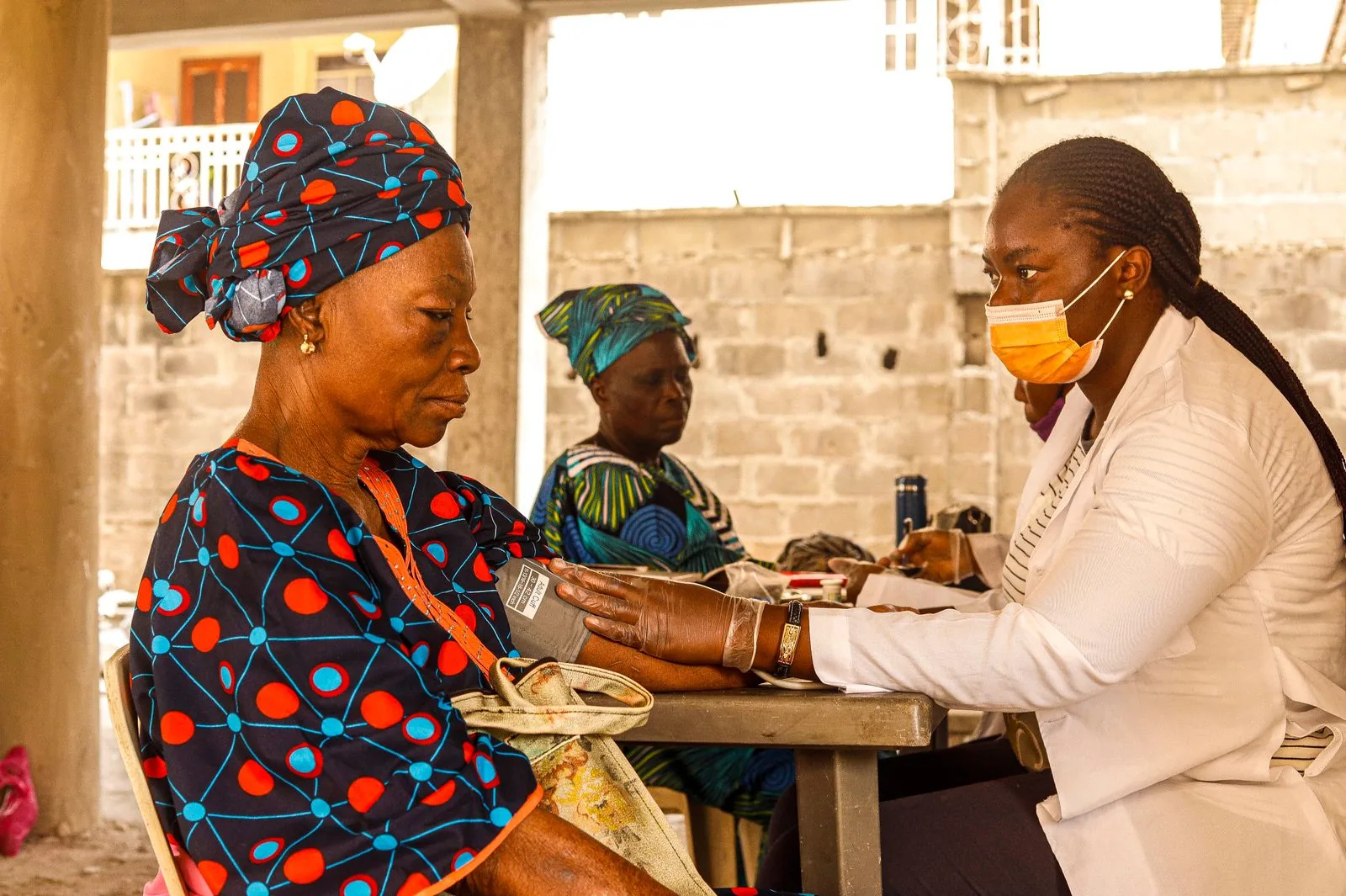
High blood pressure is behind most strokes in Nigeria and Ghana. Get yours checked this month.
What causes stroke in Nigeria and Ghana?
A large study called SIREN compared 2,118 people who'd had a stroke with 2,118 people who hadn't, at 15 hospitals in Nigeria and Ghana. About two thirds of the strokes came from a clot and about a third from a bleed.
High blood pressure causes both kinds. If nobody had high blood pressure, about nine in ten of these strokes wouldn't have happened.
The researchers found ten other things that raise your chances of a stroke, and you can change or treat every one of them. The biggest, in order, were high blood fats such as cholesterol, eating meat often, a large waist compared with the hips, and diabetes. Then came eating few green leafy vegetables, stress, adding salt at the table, heart disease, little physical activity, and smoking.

Together, the eleven explained 98% of strokes. Most strokes have more than one risk factor, so the share for each overlaps with the others.
What are the signs of a stroke?
These signs come on suddenly. Remember BE FAST:
- Balance. Sudden loss of balance, or trouble walking.
- Eyes. Sudden trouble seeing in one or both eyes.
- Face. One side of the face drops, often when they try to smile.
- Arms. One arm drifts down when both are raised.
- Speech. Words come out slurred, or wrong.
- Time. Note the time it started and get moving.
Most campaigns still teach FAST. In one study, FAST missed 14 in 100 strokes. Adding balance and eyes cut that to about 4 in 100.
Ask the person to smile, to raise both arms, and to repeat a simple sentence. If any of the three fails, treat it as a stroke.
What to do if someone is having a stroke
Note the time the signs began. If the person woke up with them, note the last time anyone saw them well.
Give them nothing to eat or drink. That includes water and tablets, because a stroke can cause problems with swallowing.
Call 112 in Nigeria or Ghana, or 767 in Lagos. Many towns have no reliable ambulance, so the plan is often a car and a driver who knows the road. Decide now which car that would be, and make sure it's ready.
Skip the small clinic. Go to the largest hospital you can reach, ideally a teaching hospital or one with a working CT scanner, and call ahead if you can. Take their medicines, or photos of the packets, and any recent blood pressure readings.
How fast do you need to get to hospital?
For a stroke caused by a clot, hospitals can give medicine that breaks the clot down. It works best when given early. Guidelines allow it within four and a half hours of the first sign, or of the last time the person was seen well.
Most people arrive late. Across studies in Africa, about eight in ten stroke patients reached hospital three hours or more after it started.
Go anyway, even if more time has passed. Some patients can still have the medicine after special scans, and good hospital care saves lives without it.
Which hospitals in Nigeria and Ghana can treat a stroke?
Not many. In 2022, five of Nigeria's 58 teaching hospitals and federal medical centres had a stroke unit. Only two of those had given clot-busting medicine. All five had a CT scanner.
In Ghana, a survey of 11 major hospitals in 2015 and 2016 found one stroke unit, seven working CT scanners, and no clot-busting medicine anywhere. Since then, Komfo Anokye Teaching Hospital in Kumasi has started giving clot-busting medicine, from March 2024.
Find out today which big hospital near you has a working scanner. Call the hospital, or ask your doctor.
What happens in hospital after a stroke?
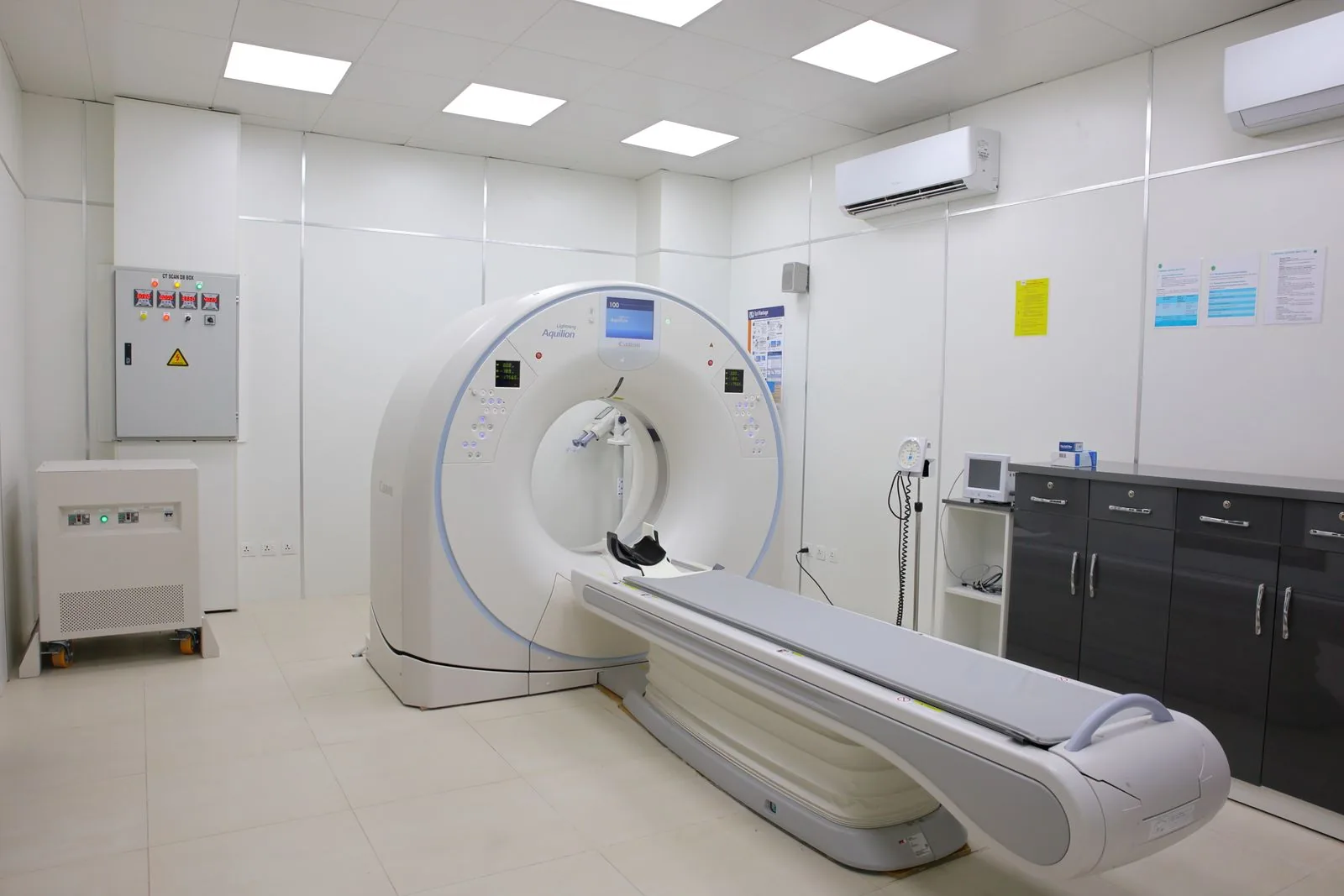
The first step is a brain scan. A clot and a bleed can cause the same signs, and clot-busting medicine can cause serious harm if the stroke is a bleed.
After that, the priority is to protect the part of the brain that survived. Doctors manage blood pressure, blood sugar, oxygen and fluids closely in the first days. This care saves lives even where there's no clot-busting medicine.
Swallowing needs special care. A stroke can weaken the throat, so food can go into the lungs and cause pneumonia. People who have trouble swallowing after a stroke are far more likely to get pneumonia, and pneumonia is a common cause of death after a stroke. If you visit someone who's had a stroke, ask whether their swallowing has been tested before you give them water, pap or medicine.
People treated in a stroke unit are more likely to survive, go home and look after themselves. Physiotherapy and speech therapy should start early.
How long does recovery from a stroke take?
Some people recover completely. For others, recovery can take months or years.
Families do much of the rehabilitation work. If someone you live with has had a stroke, ask the ward to teach you what to do before they come home.

Low mood is common. About one in three stroke survivors in Africa south of the Sahara has depression, and it's often missed because everyone's watching their arm or leg. If someone who's recovering has stopped trying, stopped eating, or cries without being able to say why, encourage them to talk to a doctor. It can be treated.
Many families also try herbal medicine. In one Kumasi study, 43% of stroke survivors used it, mostly hoping to recover faster. Herbal medicines aren't regulated and often aren't proven safe or to work, so that money does more good spent on physiotherapy.
How much does stroke care cost?
A stroke costs money in stages. First comes the emergency: transport, the scan, admission, and drugs from the hospital pharmacy. At Komfo Anokye, clot-busting medicine alone cost about GH₵15,000 a patient in 2024. Then comes the ward stay, which can last weeks.
Families are least ready for the last stage. That means months of physiotherapy, a walking frame or wheelchair, changes at home, and often an adult who has to take time off work to care for the person.
Ask early in the admission what the total may be, what can be spread out, and which parts of rehabilitation the family can learn to do at home. Health insurance can reduce the cost considerably.
How to prevent another stroke
After a stroke, the risk of another is highest early on. About 3 in 100 people have another within a month, and about 11 in 100 within a year.
Take blood pressure tablets every day, for life, and check that your number comes down. Take blood thinners or cholesterol tablets if your doctor prescribes them. Eat less salt, move more, and stop smoking.
Ask about your heartbeat too. An irregular heartbeat, called atrial fibrillation, can send clots to the brain. A doctor can find it by feeling your pulse and doing an ECG. Blood thinners such as warfarin cut the risk of stroke by about two thirds.
Learn BE FAST and teach it to the people you live with, because the person having a stroke is often the last to notice. Then check your own blood pressure this month.