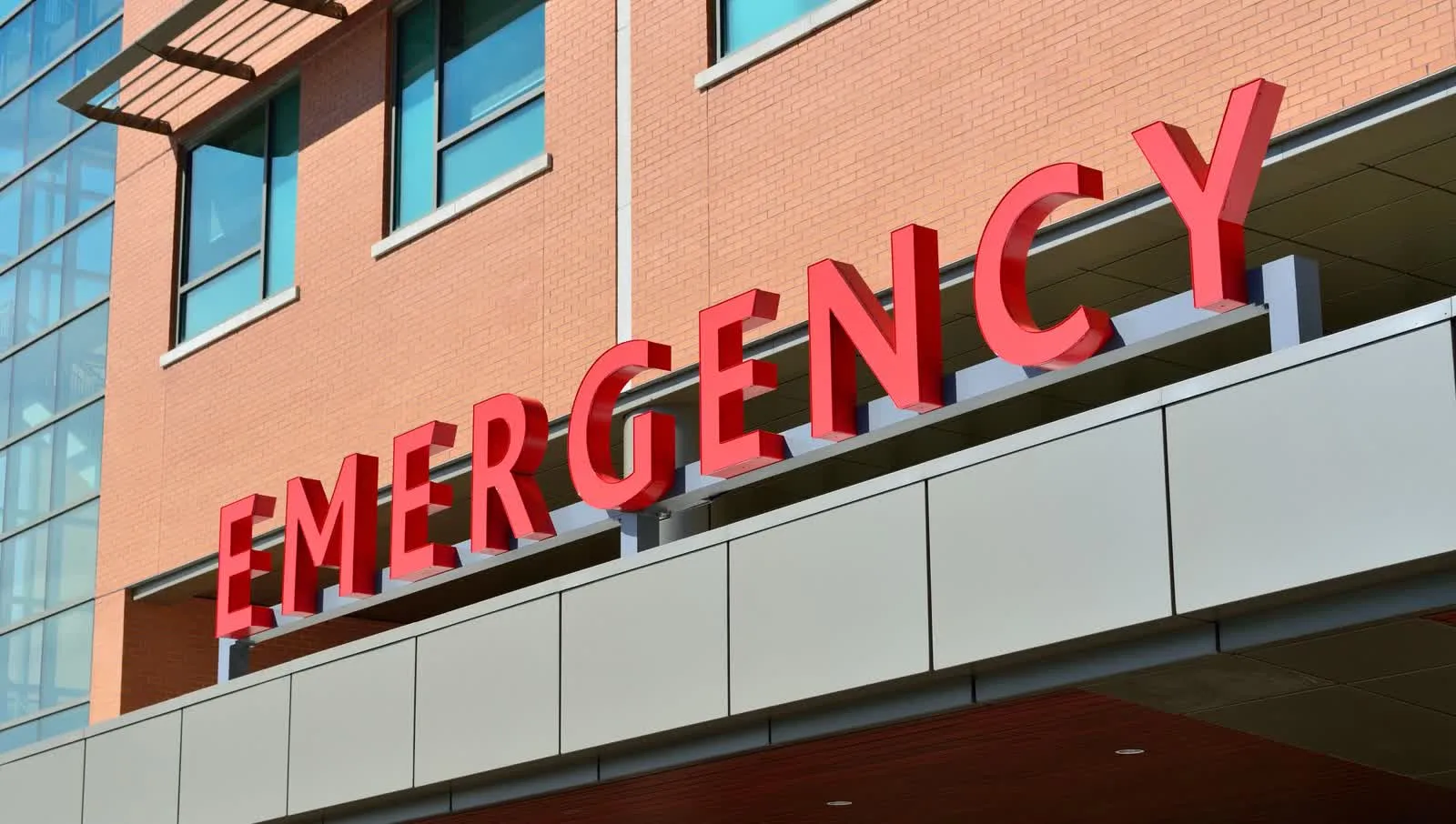
No. A hospital in Nigeria can't refuse you emergency treatment, even if you can't pay a deposit.
What does Nigerian law say about emergency treatment?
Section 20 of the National Health Act says a health worker or hospital "shall not refuse a person emergency medical treatment for any reason." It covers every hospital, public or private. Breaking the rule is a crime, with a fine of ₦100,000, up to six months in prison, or both.
Section 20 doesn't say who pays for that treatment. But the same Act sets aside 5% of a national fund, the Basic Health Care Provision Fund, for emergency treatment. The government's emergency care scheme, the National Emergency Medical Services and Ambulance System (NEMSAS), draws on that fund.
Since 2017, every hospital, public or private, must also treat a person with a gunshot wound, with or without police clearance.
What would the new Senate bill change?
On 4 November 2026, a bill passed its second reading in the Senate. It would change the National Health Act. Hospitals would have to start triage, the quick check that decides who's seen first, within 15 minutes. They'd have to start making you stable within 30 minutes, and start life-saving treatment straight away if your life is in danger. If there's no free bed, the hospital would still have to do this and start arranging an ambulance to another hospital. Hospitals and health workers who break these rules could be fined up to ₦300,000.
The bill's sponsor admits many hospitals don't have enough doctors, oxygen cylinders or emergency equipment to meet these time limits. The bill isn't law yet. The Senate's Committee on Health has four weeks to report on it, and it still needs a public hearing.
Why do hospitals ask for money first?
Hospitals have to pay their suppliers, and many rely on money from patients to stay open. A senior doctor told Daily Trust that suppliers won't give private hospitals anything on credit. At one Lagos general hospital, patients were told to buy gloves, syringes and cotton wool before anyone saw them.
How can you get emergency care quickly?
- Call for help. Dial 112 for emergency medical help. Most states also have their own numbers. Lagos, for example, uses 112 or 767. Find your state's numbers. 112 works better on some networks than others, so if it fails, try your state's own number or another network.
- Go to the nearest hospital with an emergency unit. A small clinic may only be able to send you on, and that costs time.
- Go with two people if you can. One stays with the patient and answers the doctors' questions. The other buys what the team asks for. Keep cash or your bank app ready.
- Bring what you have. The patient's medicines, old hospital card and health insurance card help the team work faster.
- Ask about NEMSAS. The government says it pays for the first 48 hours of emergency treatment under NEMSAS, in public and private hospitals. It isn't clear who qualifies: officials have said both "all Nigerians" and "vulnerable Nigerians". Few people use it, and in March 2026 it was running in 21 states. So ask at the front desk whether the hospital takes NEMSAS patients.
- If there's no bed, ask for a referral note. Ask the team to make the patient stable first, write down what they've done, and tell you which hospital to go to next.
Do you know your state's emergency number? Save it in your phone tonight.