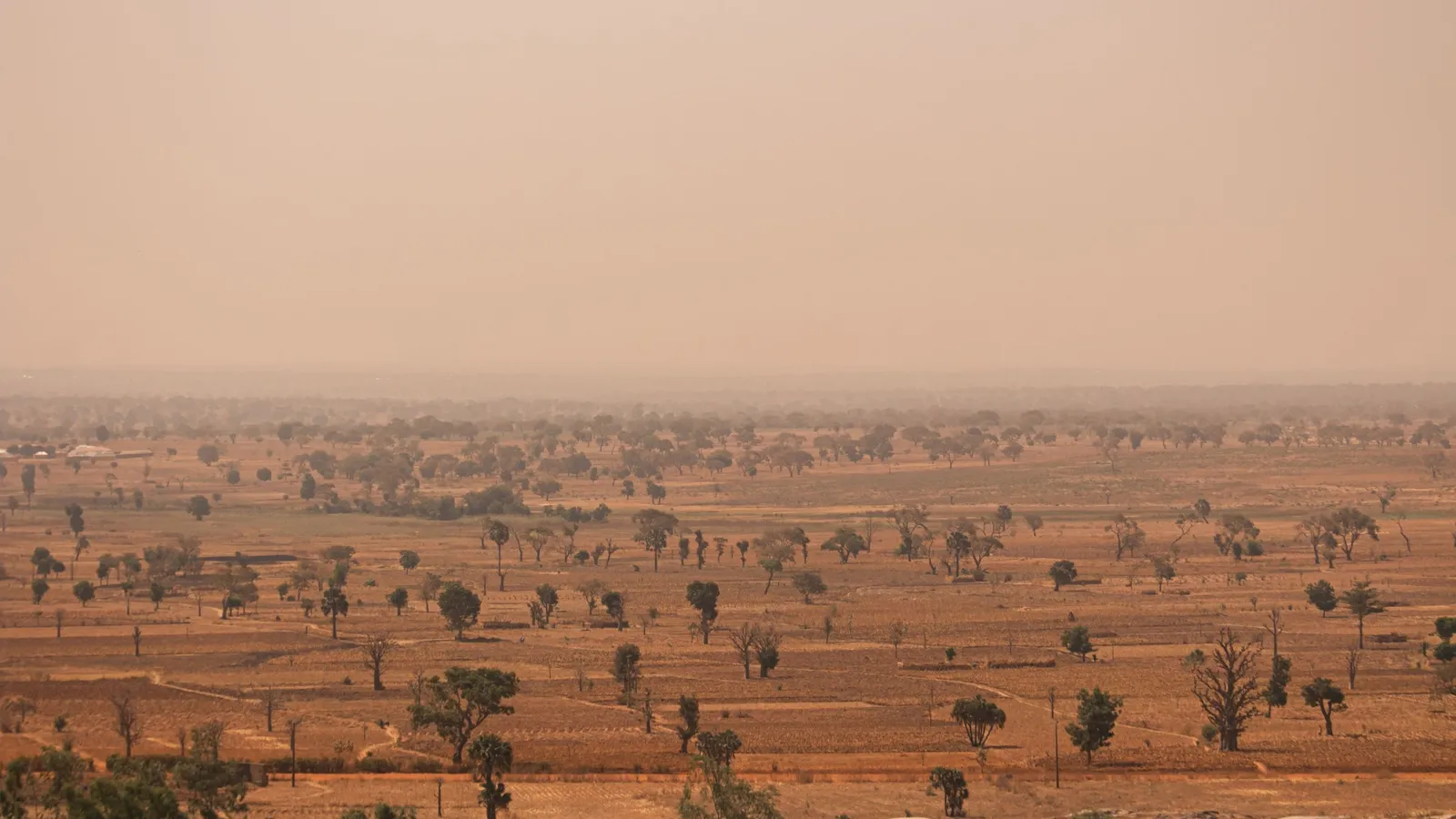
The rains are ending. Because of El Niño, this dry season is expected to be hotter than usual. The dry season also brings diseases of its own. Here's what to know to protect your family.
Is El Niño really happening?
Yes. El Niño is a warming of the Pacific Ocean near the equator. It changes the weather around the world for a year or more.
On 8 October the United States Climate Prediction Center measured that stretch of the Pacific at 2.1 degrees warmer than normal. A strong to very strong El Niño is likely to last until March 2027. The centre also gives an 83% chance that from October to December it'll be stronger than any El Niño on record since 1950. Nigeria's own weather agency said the same in August.
Around the world this is breaking records. Berkeley Earth, a research organisation, now gives 2026 about a 96% chance of ending as the warmest year ever measured.1
How does El Niño affect Nigeria?
The Pacific is the biggest ocean on earth. When its surface warms, it sends a huge amount of heat into the air above it, and that heat doesn't stay there. Over a few months it spreads high above the ground, all the way around the equator. Nigeria is in that band.
That warm air above also makes rain less likely. A rain cloud grows by rising into cooler air, so when the air above it is already warm, the cloud can't grow as well. That's why people expect El Niño to dry places out. It does happen in some parts of the world. But not always in West Africa.
The effect isn't instant. This El Niño is expected to peak in November or December, and the world's average temperature usually follows about three months later. That's why scientists expect early 2027 to be hotter still.
Will El Niño cause drought in Nigeria?
Nobody can say. Anyone who tells farmers it will is guessing.
Researchers looked at twelve past El Niño years. Six brought more rain to the Sahel and six brought less. The two years most like this one went opposite ways: 1997 was dry, 2015 was wet. West Africa's own climate centre warned in August against predicting a poor rainy season from El Niño alone.
The heat is easier to predict. The same centre expects almost all of West Africa to be warmer than normal, especially as the region enters the dry season.
How hot will it get?
The Climate Impact Lab expects heat to kill 31,400 more people in Nigeria than a normal year would, between September 2026 and February 2027. Of those, 15,400 fall in December, January and February. That ranks Nigeria first in the world, ahead of Indonesia, Sudan and India.2
That doesn't have to happen. Heat kills about 489,000 people a year around the world, and the World Health Organization says most of those deaths can be stopped.
How to stay safe in the heat

Drink before you're thirsty. By the time you feel thirsty, your body is already low on water. WHO suggests about a cup of water an hour and at least two to three litres a day.
Do hard outdoor work early in the morning or in the evening. Stay out of the sun in the middle of the day. Wear light, loose clothing. Open the house at night to let the heat out. A cool shower works, and so does wetting your skin with a damp cloth.
Get medical help at once if you or anyone near you feels faint, dizzy or sick, stops sweating, or loses consciousness. Call for help first, before anything else. Then cool them fast. Loosen their clothes, move them into shade, and put cold wet cloths on them. Stay with them until help comes.
Sweating is how the body loses heat. If someone who was sweating stops, their body is no longer cooling itself. That's a sign you need to act fast. But someone with heatstroke can still be sweating, so don't wait for it to stop.
Why Lassa fever may be worse this year
Heat may make Lassa fever worse. Across six years of national data, hotter, drier weeks had more cases. That doesn't prove heat causes them, but this dry season will be hotter than most.
It's already a bad year. By early October NCDC had recorded 1,138 confirmed cases and 268 deaths, against 924 and 172 at the same point last year. Ondo, Bauchi, Taraba, Edo and Benue have 88% of cases. More are likely to come: cases peak from late December to April.
If a fever doesn't clear after malaria treatment, ask for a Lassa test. Call NCDC free on 6232.
Will El Niño affect meningitis season in Nigeria?
Nobody knows yet. Meningitis comes with the dry season either way. Cases peak in March and April, when dry air and dust damage the lining of the throat and let the bacteria in. The north is hit hardest: last season Kebbi had about half of Nigeria's 2,911 suspected cases.
Nigeria gives the Men5CV vaccine during outbreaks, so ask at your health centre whether a campaign is running near you.
What harmattan does to your chest and heart
The harmattan comes every dry season. There's no evidence El Niño makes it worse. Its cold, dusty air dries out your airway, which makes infections easier to catch. A heart doctor in Jos saw heart problems go from 23% to 33% of his admissions as it began.
Keep windows shut when the haze is thick, cover your nose and mouth outside, and refill inhalers and blood pressure tablets before it starts.
Who is in most danger from the heat?
WHO says heat is most dangerous for babies and young children, people over 65, and anyone working outdoors or doing heavy work. The same goes for people with heart, lung or kidney problems, and people living alone.
Heatwaves kill older people living alone in hot rooms, with nobody checking on them.
So, once you've taken measures to protect yourself, pick two people on that list and check on them once a week until the rains come back.