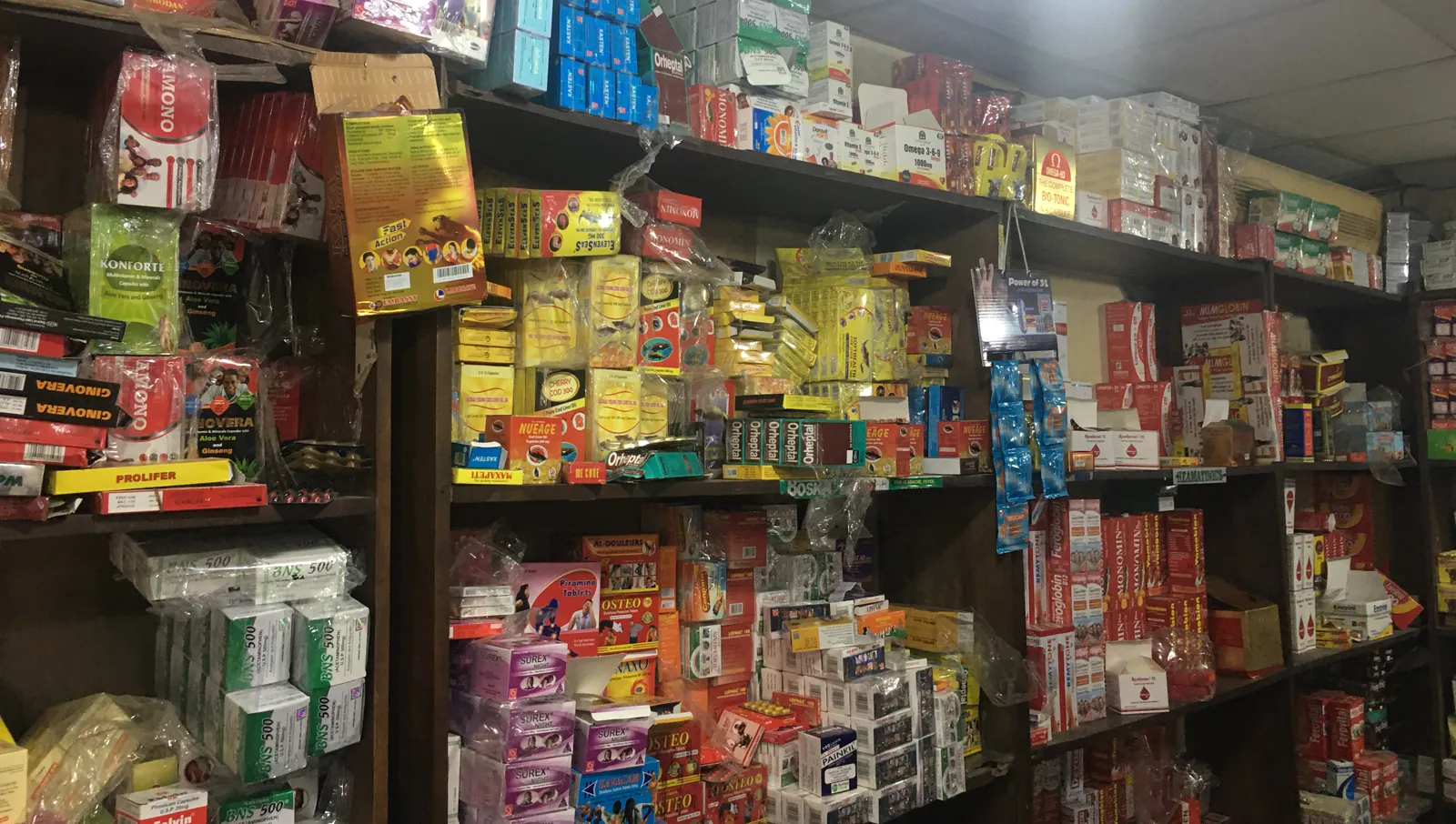
Have you ever taken an antibiotic that did nothing for you? Sometimes the reason is that the germ has learned to survive it. This week is World AMR Awareness Week, and Nigeria has one of the highest death rates from antibiotic resistance in the world.
What does antibiotic resistance mean?
Antibiotic resistance happens when the germs causing an infection change so that the drug meant to kill them no longer works. The World Health Organization says about 1 in 6 bacterial infections confirmed by lab tests around the world in 2023 were resistant.
Say you have a fever, and you buy an antibiotic from a chemist without a test. If the fever is malaria, the antibiotic can't touch it. But it still kills many of the bacteria living in your body and leaves the toughest ones alive. Those survivors multiply and can spread to other people. The next time someone needs that antibiotic for a real infection, it may not work.
The WHO says this is one of the main causes of resistance: taking antibiotics when you don't need them, or taking the wrong one.
How do you know an antibiotic isn't working?
You can't feel resistance itself, but you can notice when an infection doesn't get better. Go back to the health worker if:
- you feel no better after 2 or 3 days of the antibiotic
- your symptoms get worse while you're taking it
- the infection comes back soon after you finish the antibiotic
A lab test called a culture can show which germ is causing the infection and which antibiotics still kill it. Ask whether one is needed, especially if a first antibiotic has failed.
Why is it common in Nigeria?
Nigeria's national action plan on antibiotic resistance says misuse of these drugs is common in the country. It also points to poor control over the quality of antibiotics on sale. Using figures from a global study, the plan says resistance caused 64,500 deaths in Nigeria in 2019 and played a part in 263,400. Only 18 of 204 countries have a higher rate of deaths linked to antibiotic resistance.
Part of the reason is how many people treat themselves at home. In one Ibadan study, 44% of caregivers said they used antibiotics to treat suspected malaria in children under 5, even though antibiotics don't treat malaria.
Antibiotics are also widely used in farm animals, and resistant germs from animals can reach people. A policy brief on the plan says the rise in farm use of antibiotics in Nigeria is expected to be among the five fastest in the world.
What can you do?
- Get tested first. A fever can come from malaria, which antibiotics don't treat, or from typhoid, which does need an antibiotic. Only a test can tell them apart. If you're not sure what's wrong, see a doctor before you take any medicine.
- Take it exactly as the health worker says, at the right times, for the number of days they tell you.
- Don't share antibiotics or save leftover tablets for next time.
- Buy medicines from a registered pharmacy, where the drugs are more likely to be genuine.
- Prevent infections. Wash your hands and keep your vaccines up to date. Each infection you avoid is one less time you need an antibiotic. A global study found that deaths from resistant germs in children under 5 fell by more than half between 1990 and 2021, and its authors link this to better infection prevention.
Next time someone offers you an antibiotic, ask them: "Do I really need this, or should I do a test first?"